(5).png)
Protecting Your Home This Winter: Key Risks from Cold Weather and Effective Solutions
- Lorenza Barrientos-Perez

- Jan 2
- 3 min read
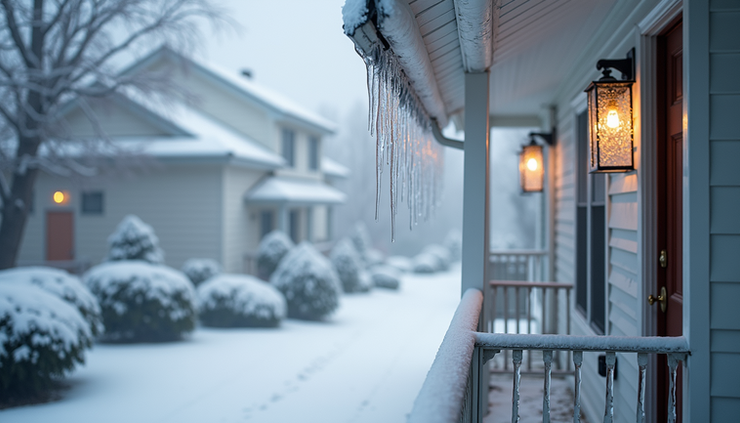
Cold weather can bring more than just chilly mornings and frosty nights. For homeowners, winter poses real risks to the structure and safety of a house. From frozen pipes to damaged drywall, the cold can cause costly problems if you don’t prepare your home properly. This article highlights common winter risks in homes across the United States, especially in places like Georgia where temperatures can fluctuate, and offers practical solutions to protect your investment.
Pipes and Plumbing: Avoiding Freezing and Bursting
One of the biggest threats cold weather poses is to your plumbing system. When temperatures drop below freezing, water inside pipes can freeze, expand, and cause pipes to burst. This leads to water damage that can affect drywall, flooring, and even the basement.
How to protect your pipes:
Insulate exposed pipes in unheated areas like basements, attics, and crawl spaces. Use foam pipe sleeves or heat tape.
Seal leaks and drafts around windows, doors, and where pipes enter the home to keep cold air out.
Let faucets drip slightly during extreme cold to keep water moving and reduce freezing risk.
Open cabinet doors under sinks to allow warmer air to circulate around plumbing.
Shut off and drain outdoor hoses and irrigation systems before winter.
Taking these steps can prevent costly home repairs and keep your plumbing intact through the coldest months.
Roof, Gutters, and Exterior: Preventing Ice Dams and Water Damage
Ice dams form when heat escapes from your home and melts snow on the roof, which then refreezes at the eaves. This can cause water to back up under shingles and leak into your home, damaging drywall and insulation.
Ways to reduce ice dam risks:
Improve attic insulation to keep heat inside the living space.
Ventilate the attic properly to maintain a cold roof temperature.
Clean gutters and downspouts to ensure proper drainage.
Install gutter guards to prevent debris buildup.
Use roof rakes to remove snow after heavy storms.
Inspect your roof and exterior before winter to catch any weak spots. Repairing damaged shingles or flashing early can save you from expensive home repairs later.
Decks and Porches: Protecting Outdoor Structures
Decks and porches face wear and tear from snow, ice, and freezing temperatures. Moisture can seep into wood, causing it to crack, warp, or rot. This is especially important in Georgia, where winter weather can be unpredictable.
Maintenance tips for decks and porches:
Seal wood surfaces with a water-repellent finish before winter.
Remove snow promptly using a plastic shovel to avoid damaging the wood.
Check for loose boards or nails and fix them before winter storms.
Clear debris that can trap moisture and cause decay.
Proper care extends the life of your outdoor spaces and keeps them safe for use year-round.

Basement and Foundation: Guarding Against Moisture and Cracks
Basements are vulnerable to water intrusion during winter thaw cycles. Melting snow can saturate the soil around your foundation, leading to leaks, mold growth, and structural damage.
How to protect your basement:
Ensure proper grading around your home so water flows away from the foundation.
Inspect and repair foundation cracks before winter.
Install or maintain sump pumps to remove excess water.
Use dehumidifiers to control moisture levels inside the basement.
Check basement windows and doors for drafts and seal them tightly.
Addressing these issues helps prevent costly home repairs and maintains a dry, healthy basement environment.
Interior Risks: Drywall and Heating Systems
Cold weather can cause drywall to crack due to shifting foundations or moisture buildup. Heating systems also work harder in winter, so keeping them in good shape is essential.
Tips for interior winter protection:
Inspect drywall for cracks and repair them promptly to avoid worsening damage.
Maintain your heating system with annual professional inspections.
Change furnace filters regularly to improve efficiency.
Use programmable thermostats to maintain consistent indoor temperatures.
Avoid rapid temperature changes inside the home to reduce stress on walls and drywall.
These small steps can improve comfort and reduce the need for home renovations after winter.

Working with Professionals for Home Repairs and Renovations
If you notice damage or want to prepare your home thoroughly, consider hiring professionals. In Georgia and across the United States, companies like G.A.B.O. LLC specialize in home repairs, home renovations, and construction business services. They can assess your home’s vulnerabilities and provide expert solutions tailored to your needs.
Benefits of professional help:
Access to specialized tools and materials
Knowledge of local building codes and weather conditions
Efficient and safe repairs or upgrades
Long-term cost savings by preventing future damage
Whether you need drywall repair, basement waterproofing, or deck restoration, professional contractors ensure quality results that protect your home through winter and beyond.
Comments